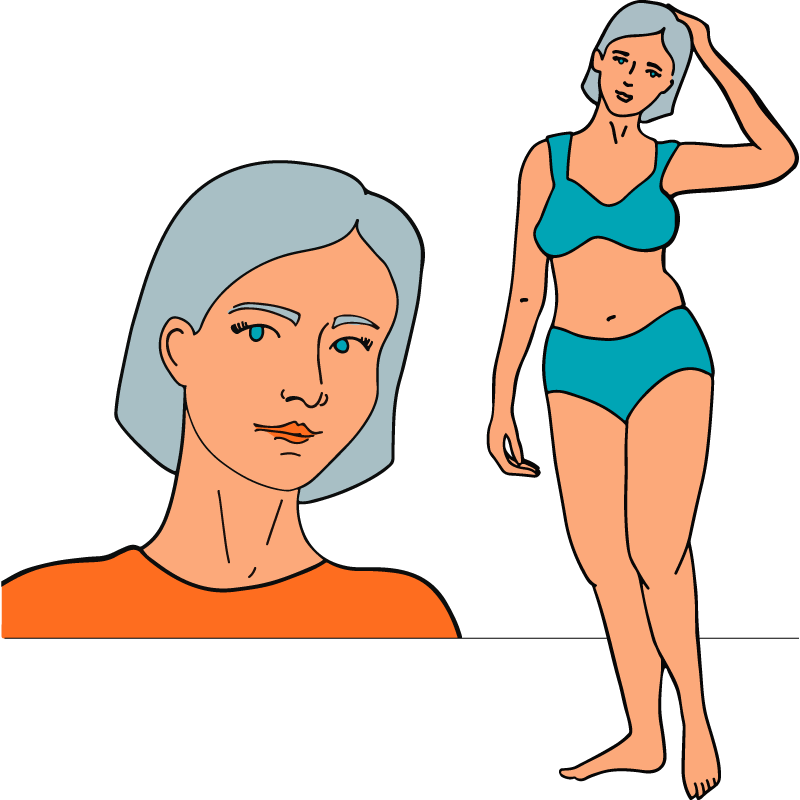

A quick guide to collagen-stimulating filler
 By Georgia Seago
7th February 2023





LOADING . . . PLEASE WAIT
 TWEAKMENT
TWEAKMENT & SKINCARE FINDER
CHOOSE AN AREA OF THE FACE OR BODY TO CHECK OUT YOUR SKINCARE AND TWEAKMENT OPTIONS


Did you know that there’s more than one sort of dermal filler?
Hyaluronic acid (HA) fillers are the most common, and the type used in the most traditional ways – to enhance lips, replace volume underneath hollow eyes, straighten out a hooked or bumpy nose, or add definition to the jawline, for example. But there’s another type called stimulating fillers (usually referred to as ‘bio’ or ‘collagen-stimulating’), which open up further rejuvenating possibilities, but we’ll come onto that in a bit.
Within the HA fillers category there are different types that are best suited to these various concerns. The type of filler a good practitioner will inject will be dependent on the effects you’re after, and which part of the face you are hoping to have injected. Say it’s your lips – this is best done with a soft and fluid type of HA-based filler, which will give a soft and pliable result.
On the other end of the spectrum, the best type of filler for a non-surgical rhinoplasty or to contour the jaw – where the filler is sitting closer to the bone to give structure and lift – will be from a stiff, less yielding type of filler with a high ‘G-prime’, which means it will hold its shape more firmly for longer and give a crisp and definitive result. HA fillers tend to last for between six and 18 months, which again depends on where you have it injected and related factors that lead filler to degrade. So, if you want something longer-lasting that gives more bang for your buck – and providing your concern is suitable – it’s time to get acquainted with collagen or bio-stimulating fillers.
This breed of fillers, which tend to last for 18 months to four years, is made from substances such as poly-L-lactic acid or calcium hydroxyapatite, which have a sculpting effect and give some immediate volume to the face in the areas where they’re injected, but also have a secondary effect of stimulating collagen production in the surrounding area over time. This collagen will remain in the face after the filler itself has dispersed, which is great bonus if you’re concerned with signs of ageing. They’re also popular for making older hands look more youthful, with great success.
The longevity of stimulating fillers can also be a drawback, depending on how you look at it. Unlike HA fillers, stimulating fillers can’t be dissolved, so if you don’t like the results, you’re stuck with them until the filler eventually degrades naturally. So, if it’s your first foray into injectable fillers it might be advisable to begin with HA and, if you’re happy with how your face looks, speak to your practitioner about stimulating fillers for your next treatment.
But if you’re really wanting to look refreshed overall, with smoother, tighter skin and more restored structure to your face, this may well be the route to go down. It’s also worth noting that stimulating fillers are suited to those aged around 35 and up – if you’re younger it’s very likely you just won’t be showing the signs of ageing that warrant this kind of treatment – lucky you.
Your practitioner will have their own reasons behind their preferred product, but these are the ones currently available in the UK:
Hyaluronic acid fillers and collagen-stimulating fillers work in different ways in the face. Make sure you find a great practitioner before treatment, so that they can advise you what's best for you.

Lifestyle

Skincare

Tweakments
Please enter your name, email address and question for Alice.

Concerns
Given the huge number of tweakments available, it’s increasingly hard to work out where you should...
Tweakments
Can we really ‘press pause on ageing’ using dermal filler? Alice visited globally-renowned...
Tweakments
After my recent story about The £1000 face, I thought I’d better tone it down a bit and write...

Concerns
Rightly or wrongly, when it comes to our bodies and especially body tweakments, we tend to focus on losing...

Hi, I’m The Tweakments Chatbot.
I have been designed to help you get information and advice on your concerns. I am currently in training. In case I am unable to answer your question, I would like to ask for some details, so that Alice or one of our team can contact you and ensure you get all the advice you need.

 The Tweakments Chatbot