
 TWEAKMENT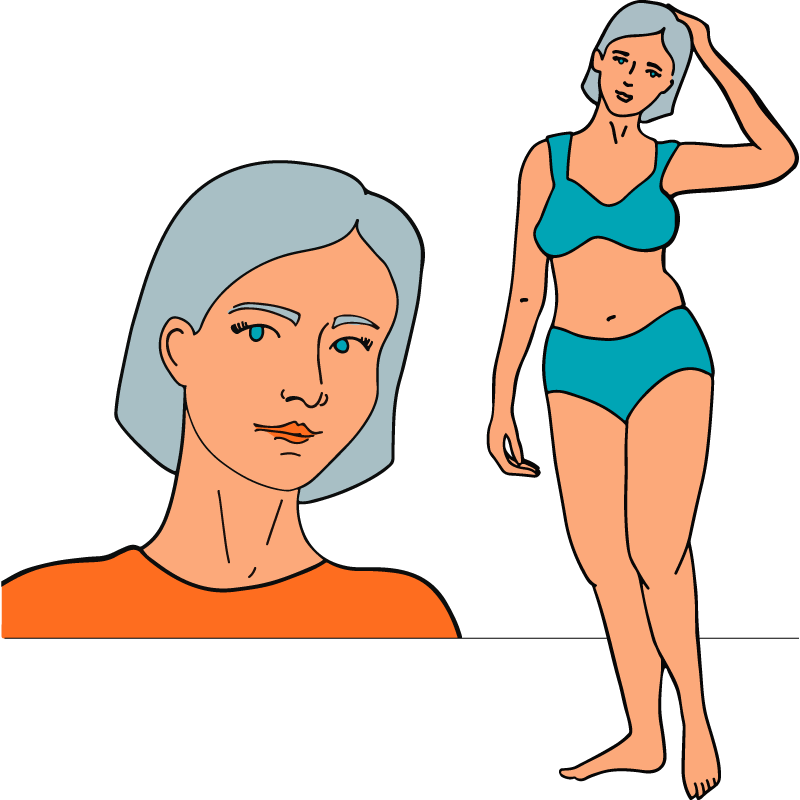


Platelet-Rich Plasma (PRP)
PRP – or Platelet-Rich Plasma, to give it its proper name – is a treatment that involves injecting plasma extracted from your own blood into the treatment area – normally the skin on your face or scalp, if we’re talking about tweakments – in order to promote regeneration. PRP is used both in aesthetics and in medical treatments:
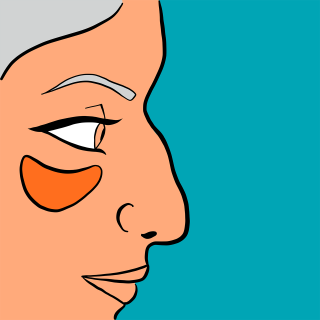
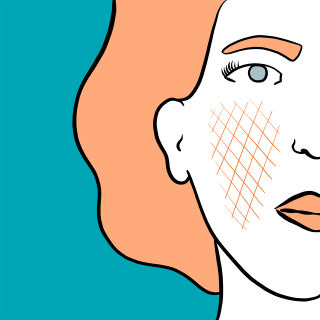
- Aesthetics: PRP can be used as a facial tweakment to improve skin texture. For example, a practitioner may inject plasma into a patient’s face to encouragw and support skin healing. It can be also used on areas such as the hands and neck for a similar effect.
- Hair Restoration: PRP is a non-surgical option for tackling mild hair thinning as it is said to help promote healthy hair growth.
- Female health: PRP can also be used to treat vaginal laxity and rejuvenate the tissues in the area in the right patient.
- Medicine: PRP is also used to promote healing in medicine. For example, a sports doctor may inject plasma into an inflamed knee-tendon to treat tendinitis.
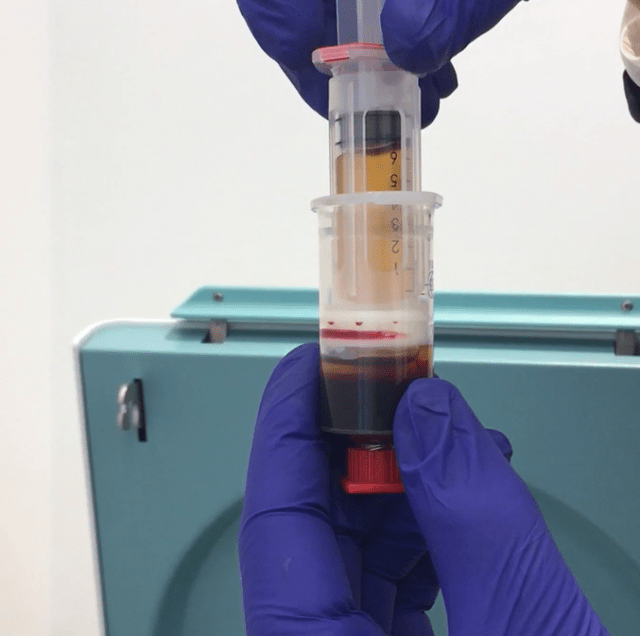
Whichever way it is used, this Platelet Rich Plasma is derived from your blood which has been processed to separate the plasma and platelets from the red blood cells. Platelets are blood cells that play various important roles in the body. For PRP, the key role of platelets is transporting proteins that your body uses to repair damage; in everyday life, another key role of platelets is to help with blood clotting to limit bleeding. Scroll down for more info and all the FAQs about PRP.
CATEGORY
Injectables
EXPECT TO PAY
£ 500 - 900

TWEAKMENT TIME
30 minutes

LONGEVITY
Up to three months

ANAESTHESIA
None - numbing cream optional

DOWNTIME


 The Tweakments Chatbot